
Once you’ve lived in Italy for a while, the routine at your local bar becomes second nature. Wandering into a café aimed at tourists can be disorienting: the system and the cafe culture you’ve got used to doesn't apply as things are customised for non-Italians (with prices to match).
If you're still getting used to the way things work at local neighbourhood bars, it can all be a bit confusing.
The first thing to know is that in most of Italy the bar and the café are the same place. You go there for a cappuccino and cornetto in the morning and for a spritz or an amaro in the evening. You'll probably be served by the same person. Do they ever close? Do the staff get enough sleep? It's unclear.
This also means most bars are very relaxed, family-friendly places, and drinking in them is about socialising, not getting drunk. You won't see many groups of people ordering round after round of beers, or people drowning their sorrows with multiple whisky shots here (although there are bars for that, too.)
Pay first, or pay later
You might find you have to ask the barista for your coffee at the bar, ask another server for your pastry at the pastry counter, and then go to a separate counter to pay as you leave. Some bars want you to pay first at the till and take your receipt to the counter(s) when you order.
It's impossible to know which way round you should do it from one place to another, so just go with the flow. Sometimes there's a sign telling you to pay first, but then the person serving will say it's fine to pay later. If totally unsure, watch what other customers do.
Counter or table
Drinking al banco (standing at the counter) is cheaper than sitting down al tavolo, and in city centres the difference can be significant. If you want a table, sit down and someone will come and take your order.
Staff probably won’t bring the bill once you’ve finished your drink. You’ll need to ask for it, or go and pay at the till. (In tourist places, they might bring your bill with the drink or before you've even had it.)
READ ALSO: How the price of an espresso varies across Italy
A riservato sign on a table often gives the the number of people and the time of the booking. If the booking isn’t for a while, staff will often let you sit there if you ask first and promise to move when the group arrives.
What to order
A caffè is an espresso and a latte is a glass of milk, so ask for a caffè latte if you want coffee in it. A cappuccino is a morning drink only, as you've probably heard.
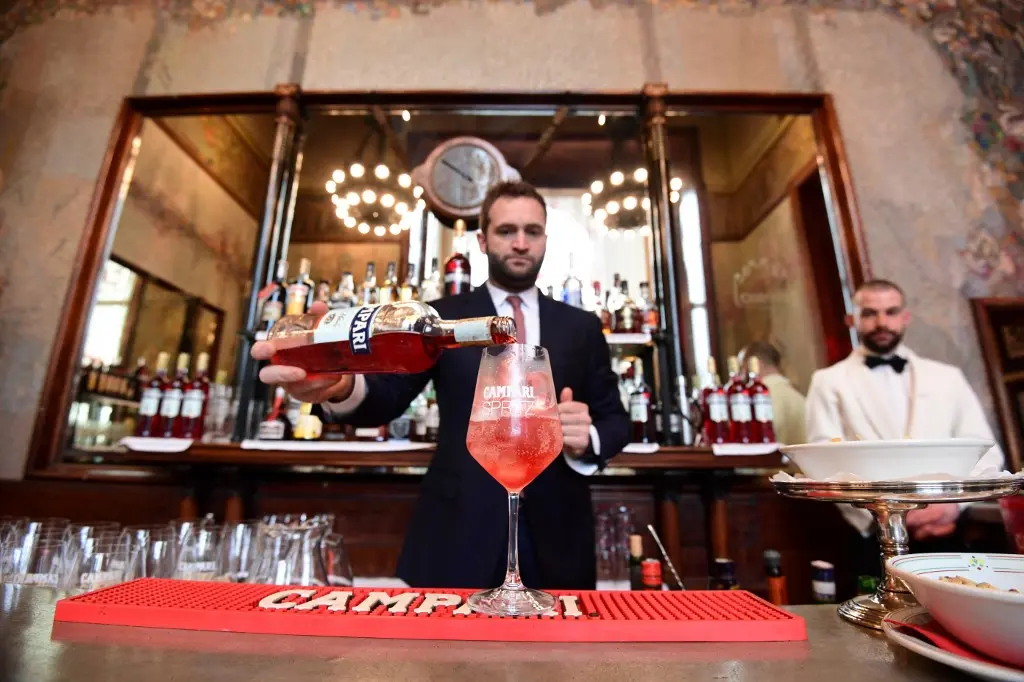
In the evening before dinner, a spritz is one popular aperitivo choice: Aperol for the sweeter orange version, Campari for a stronger and more bitter one. Or you can always just have a beer or glass of wine.
READ ALSO: Amaro, mirto, grappa: Do you know Italy’s most popular digestifs?
If you’re not drinking alcohol, there are plenty of alternatives. Crodino is a non-alcoholic bitter sold in small bottles, which can be served like a spritz, and chinotto is a dark, bittersweet soft drink made from the citrus fruit of the same name.
While you're unlikely to find international variations - like a limoncello spritz - at Italian bars outside of tourist zones, there are many lesser-known, vintage-feeling Italian liqueurs you might come across, like Cynar, a bitter made from an infusion of artichoke leaves.
Aperitivo
If you order a drink in the early evening, you’ll often get something to eat with it. That might be crisps or taralli and olives or, in some bars, small plates of pizza, focaccia or pasta. You might pay extra for a 'tris' of such snacks, or a large plate of them, or you might pay more for a drink with snacks included.
Some bars offer an apericena, a substantial buffet big enough to replace dinner, or may even serve you a hot plate of food with your cocktail. The local and regional variation is huge, and in some - more affluent - areas aperitivo hour can become a long, elaborate (and well-dressed) affair.
Cash and cards
Bars, like all businesses in Italy, legally have to accept card payments for any amount, and since June 30th 2022 those that refuse can be fined €30 plus four percent of the transaction. Some places still might insist on cash for small amounts anyway, and the legendary "broken" card payment machines can still occasionally be found.
Tipping isn’t expected. At the counter you may choose to leave the 10 or 20 centesimi change from your coffee, and since it’s usually not possible to tip by card, it’s worth having some coins on you. For restaurants, see our guide to tipping in Italy.
Comments